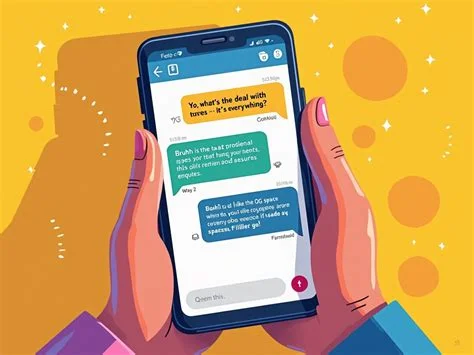

Have you ever received a text that simply says “wtd?” and wondered what the person means? This short abbreviation can be confusing because it has more than one meaning. Depending on the conversation, the sender might be asking for an idea, looking for advice, or trying to understand a situation.
The WTD meaning in text is most commonly “What To Do?” People use it when they need suggestions, want to make plans, or do not know what step to take next. For example, “I’m bored, wtd?” means “I’m bored. What should I do?” WTD can also mean “What’s the Deal?” when someone wants an explanation or an update about something confusing.
The good news is that you can usually understand WTD by looking at the words around it. A message about weekend plans often asks what to do, while a message such as “wtd with the Wi-Fi?” asks what is going on with a situation. This guide explains both meanings, shows examples from everyday chats, compares WTD with similar abbreviations, and helps you choose a natural reply.
What Does WTD Mean in Text?
WTD has two common interpretations in informal texting:
- What To Do? — asking for advice, suggestions, or ideas.
- What’s The Deal? — asking what is happening or why something is the way it is.
The first meaning is especially common when someone feels unsure about a decision or wants to make plans. The second fits situations where a person wants an explanation or an update.
Here are two simple examples:
Example 1: Asking for ideas
“I’m free all day Saturday. WTD?”
Meaning: “What should I do on Saturday?”
Example 2: Asking about a situation
“WTD with the internet? It keeps disconnecting.”
Meaning: “What’s the deal with the internet? Why does it keep disconnecting?”
Both messages use the same three letters, but they ask different questions. That is why context matters more than the abbreviation alone.
WTD Meaning at a Glance
| Detail | Explanation |
| Abbreviation | WTD |
| Most common meaning | What To Do? |
| Another common meaning | What’s The Deal? |
| Main purpose | Asking for ideas, advice, clarification, or updates |
| Tone | Casual; can sound curious, confused, or frustrated |
| Common platforms | Text messages, Snapchat, Instagram, TikTok, and group chats |
| Formal use | Usually best avoided in professional writing |
Dictionary.com lists “what to do” as an internet-slang meaning of WTD. Some social media slang guides also describe “what’s the deal?” as an alternative. You can compare these explanations in Dictionary.com’s WTD entry and Dexerto’s guide to WTD on Snapchat.
The Two Main Meanings of WTD
Understanding the difference between the two meanings is the easiest way to read WTD correctly.
WTD Means “What To Do?”
This meaning is used when someone needs an idea, suggestion, decision, or next step. It often appears when a person feels bored, faces a problem, or wants to organize an activity.
For example:
- “I’m bored at home, wtd?”
- “Our plans got canceled. WTD now?”
- “WTD this weekend? Any ideas?”
- “I have two job offers and can’t decide. WTD?”
In each example, the sender wants help deciding what to do. Sometimes the question is about an activity. Other times, it is about a choice or problem.
WTD can also stand for an implied question such as “What should we do?” when a group is planning something together.
Example:
Mia: “Everyone is free on Friday.”
Noah: “WTD?”
Mia: “How about dinner and a movie?”
Here, WTD helps the group move from talking about availability to choosing an activity.
WTD Means “What’s The Deal?”
This interpretation is more about understanding a situation. The sender may be confused, curious, surprised, or slightly annoyed.
For example:
- “WTD with these extra charges?”
- “WTD with the meeting? Is it still happening?”
- “WTD with Jake? He’s been acting strange.”
- “WTD with the Wi-Fi today?”
In these messages, the sender is not mainly asking for an activity suggestion. They want to know what is happening, why something has changed, or what explains a situation.
Example:
Ava: “The restaurant canceled our reservation.”
Liam: “WTD? They confirmed it yesterday.”
Liam is asking what happened and why the reservation was canceled.
The phrase can sound neutral or frustrated. For example, “wtd with the schedule?” may be a simple request for an update, while “WTD with you?” can sound more personal or confrontational depending on the relationship.
How to Tell Which Meaning Fits
Use this quick guide when you see WTD in a message.
| Clue in the message | Likely meaning | Example |
| A time or upcoming activity | What To Do? | “WTD tonight?” |
| A request for ideas | What To Do? | “I’m bored, wtd?” |
| A problem that needs a solution | What To Do? | “My phone broke. WTD?” |
| The phrase “with” followed by a person or situation | What’s The Deal? | “WTD with the schedule?” |
| Confusion about a change or event | What’s The Deal? | “WTD with the canceled plans?” |
| A request for an explanation | What’s The Deal? | “WTD with those charges?” |
One useful shortcut is to look for “with.” In a message like “wtd with the Wi-Fi,” the sender is likely asking what the deal is with the connection. In “wtd tonight,” they are probably asking what activity to choose.
This is a helpful clue, not a strict rule. People use slang differently, so read the full sentence before deciding.
How People Use WTD in Everyday Texting
WTD is useful because it can turn a longer question into a quick message. The exact meaning depends on what the sender is talking about.
Making Plans With Friends
Friends often use WTD when they want to spend time together but have not picked an activity.
Example:
“Free Saturday. WTD?”
This means, “I’m free on Saturday. What should we do?”
Possible replies include:
- “Let’s go get burgers.”
- “Movie night?”
- “We could go shopping.”
- “I’m down for anything.”
WTD makes it easy to invite suggestions without making the conversation feel like a formal meeting.
Asking for Advice
WTD can also appear when someone has a problem and wants another person’s opinion.
Example:
“My laptop stopped working before my assignment is due. WTD?”
The sender is asking what they should do next. A helpful reply might suggest restarting the laptop, checking the charger, or contacting technical support.
Other examples include:
- “I forgot my friend’s birthday. WTD?”
- “I have an interview tomorrow and I’m nervous. WTD?”
- “I can’t choose which course to take. WTD?”
When someone uses WTD this way, they may want practical advice rather than a joke or a casual greeting.
Expressing Boredom or Indecision
Sometimes people know they want to do something but cannot think of an activity.
Example:
“It’s raining again and I’m stuck at home. WTD?”
The sender is looking for ideas to make the day more interesting.
A suitable reply could be:
“Let’s watch a comedy or play an online game.”
This use of WTD is often relaxed and playful. It invites the other person to help solve a small problem.
Asking About a Confusing Situation
When WTD means “What’s the deal?”, the sender wants to understand something that seems unusual.
Example:
“WTD with the prices? Everything is so expensive now.”
The person is expressing surprise or frustration about rising prices.
Other examples include:
- “WTD with the new schedule?”
- “WTD with the app? It won’t open.”
- “WTD with the bus service today?”
- “WTD with the party? I thought it was canceled.”
The sender may expect an explanation, an update, or a response from someone who knows more about the situation.
Checking on a Friend
WTD can also introduce a question about someone’s behavior or wellbeing.
Example:
“You’ve been quiet all day. WTD?”
The sender may be asking what is going on or whether something is wrong.
This can sound caring between close friends. However, “WTD with you?” can also sound challenging if the conversation is already tense.
If you receive this message, consider the relationship and the previous conversation before deciding how to respond.
What Does WTD Mean on Snapchat, Instagram, and TikTok?
WTD can appear across different social media platforms. Its core meanings usually remain the same, but the type of conversation can provide extra clues.
WTD Meaning on Snapchat
On Snapchat, WTD can be used to ask about plans or question something that seems unusual.
Examples:
- “WTD tonight?”
- “WTD with the group chat?”
- “I’m bored, wtd?”
- “WTD with your story?”
If someone sends “wtd tonight?”, they are probably asking what you or your friends want to do. If they write “wtd with your story?”, they may be asking for an explanation about something you posted.
WTD Meaning on Instagram
On Instagram, WTD may appear in direct messages, story replies, or comments.
For example:
“You said you were moving. WTD with that?”
The sender wants to know what happened with the move or whether the plan has changed.
If someone messages “wtd?” without context, the meaning may be unclear. You can respond naturally or ask a follow-up question to find out what they mean.
WTD Meaning on TikTok
TikTok users may use WTD when discussing a video, asking about an event, or looking for suggestions.
Examples:
- “I’m free this weekend, wtd?”
- “WTD with this trend?”
- “WTD after the game?”
- “WTD with the comments on this video?”
The first and third examples are about activities. The second and fourth are more likely to ask what is going on or why something is happening.
WTD in Group Chats
Group chats are a common place to use WTD because several people may need to agree on a plan.
Consider this conversation:
Ali: “Everyone free tonight?”
Sara: “Yep.”
Hamza: “I’m free after 7.”
Ali: “WTD?”
Sara: “Let’s get pizza.”
Hamza: “Sounds good.”
Here, WTD means “What should we do?” The message invites everyone to suggest an activity.
However, group chats can get stuck when everyone keeps replying “I don’t know.” A more useful message combines WTD with a suggestion.
Instead of writing:
“WTD tonight?”
Try:
“WTD tonight? I’m thinking pizza at 7.”
This gives people something specific to accept, reject, or change.
How to Reply to WTD
Your reply depends on which meaning the sender intends. If they want suggestions, offer an idea. If they are asking about a situation, explain what you know.
If WTD Means “What To Do?”
Try one of these replies:
- “Let’s grab something to eat.”
- “How about a movie?”
- “I’m not sure. What are you thinking?”
- “We could go for a walk.”
- “Let’s play a game.”
If the sender is asking for personal advice, give a relevant suggestion rather than assuming they are making social plans.
For example:
Friend: “I have a test tomorrow and haven’t studied. WTD?”
You: “Start with the main topics and review your notes. We can study together if you want.”
If WTD Means “What’s The Deal?”
Answer the question or explain what you know about the situation.
Message: “WTD with the meeting? Is it still on?”
Possible reply: “It was moved to 3 p.m. The organizer sent an update.”
Another example:
Message: “WTD with the Wi-Fi?”
Possible reply: “It seems to be down for everyone. I’m checking the router.”
If you do not know the answer, it is fine to say so. You do not have to guess.
If You Are Not Sure What They Mean
Ask a short clarifying question.
You could reply:
- “Do you mean what should we do?”
- “What’s the deal with what?”
- “Are you asking about tonight’s plans?”
- “What happened?”
A quick question can prevent confusion, especially if the message has no other context.
If You Want to Keep Things Casual
Sometimes a short response is enough.
For “wtd tonight?”, you might say:
“Nothing planned yet. You?”
For “wtd with the party?”, you might say:
“I’m not sure either. Did they send an update?”
Match your response to the question instead of trying to make every reply sound clever.
WTD vs. WYD, WBU, SUP, and IDK
WTD is easy to confuse with other texting abbreviations. Learning the differences can help you understand a conversation faster.
| Abbreviation | Full form | Main purpose |
| WTD | What To Do? / What’s The Deal? | Asking for ideas or an explanation |
| WYD | What You Doing? | Asking about someone’s current activity |
| WBU | What About You? | Returning a question |
| SUP | What’s Up? | Casual greeting |
| IDK | I Don’t Know | Saying you do not know |
| WYO | What You On? | Asking what someone is doing or planning |
| HBU | How About You? | Asking the other person the same question |
WTD vs. WYD
WTD often asks what should happen next, while WYD asks what someone is doing.
For example:
- “WTD tonight?” means “What should we do tonight?”
- “WYD tonight?” means “What are you doing tonight?”
The difference is small, but useful. WTD often invites suggestions, while WYD checks someone’s activity or availability.
WTD vs. WBU
WBU means “What About You?” It usually comes after someone has answered a question and wants to ask the other person the same thing.
Example:
Person A: “I’m staying home today. WBU?”
Person B: “I’m going out with friends.”
WTD, by contrast, asks what to do or what is happening with a situation.
WTD vs. SUP
SUP is a shortened form of “What’s up?” It is usually a greeting rather than a request for a specific plan.
Example:
“Sup bro?”
This is similar to saying hello. WTD is more likely to ask for a decision, suggestion, or explanation.
WTD vs. IDK
IDK means “I Don’t Know.” It is often used as a response to WTD.
Example:
Person A: “WTD this weekend?”
Person B: “IDK, what do you want to do?”
In this exchange, one person is asking for ideas and the other is saying they do not have an answer yet.
These abbreviations can appear together naturally, but each has a different purpose.
Is WTD Rude or Disrespectful?
WTD is not automatically rude. It is informal shorthand, and its tone depends on the message and relationship.
For example:
- “WTD this weekend?” usually sounds casual.
- “WTD with the schedule?” may sound curious.
- “WTD with you?” can sound annoyed or confrontational.
- “WTD now??” may show confusion or frustration.
Punctuation can make a message seem more urgent, but it does not always prove anger. Some people use multiple question marks simply as part of their texting style.
If a message feels rude, look at the surrounding words and the conversation that came before it. The sender may be frustrated with a situation rather than with you personally.
When you send WTD, add enough context to make your intention clear. A message such as “WTD with the plan for Friday? Are we still meeting?” is less likely to be misunderstood than a bare “WTD?”
Where Did WTD Come From?
WTD is an example of informal internet shorthand. Its exact origin is difficult to pin down, and there is no reliable evidence that one person or platform invented it.
The abbreviation fits a wider pattern in digital communication. As text messaging and instant messaging became common, people started shortening phrases to save typing time and keep conversations moving.
The phrase “what to do” is ordinary English, while “what’s the deal?” is a familiar conversational expression used to ask about a situation. WTD can represent either phrase in informal online messages.
Texting, social media, and group chats helped abbreviations spread between communities. However, the precise history of WTD’s different meanings is not fully documented. It is safer to describe its development as gradual rather than assign it a specific invention date.
Today, WTD is still useful because it expresses a common need in just three letters: either “Help me decide” or “Explain what’s going on.”
When Should You Use WTD?
WTD works best in casual conversations where the other person is likely to understand the abbreviation.
Good Situations for WTD
Use it when you are:
- Making plans with friends.
- Asking for suggestions.
- Trying to decide what activity to choose.
- Asking about an unexpected change.
- Checking what is happening in a group chat.
- Talking casually on social media.
For example:
“WTD Friday? We could go bowling.”
This is clear because it gives the other person a time and a possible activity.
When to Avoid WTD
Avoid relying on the abbreviation when clarity is especially important.
Professional messages: Instead of “WTD about the deadline?”, write “What should we do about the deadline?”
Serious problems: If a friend is facing a major personal issue, a complete and thoughtful question may show more care than a short abbreviation.
Emergency situations: Use direct, specific language. Do not use vague slang when someone needs urgent help.
Messages to unfamiliar people: They may not know which meaning you intend.
WTD is useful shorthand, but it should not replace clear communication when the situation requires it.
Common Mistakes When Using WTD
A few simple mistakes can make WTD harder to understand.
Assuming It Always Means “What To Do?”
Although this is a common meaning, WTD can also mean “What’s The Deal?” Look at the words around it before replying.
Assuming It Always Means “What’s The Deal?”
The reverse mistake can also happen. “WTD tonight?” usually asks about plans, not about a confusing situation.
Sending It Without Context
A bare “wtd?” can leave the other person guessing. Add a time, event, or topic when possible.
For example, “WTD after class?” is more specific than “WTD?”
Using It in Formal Writing
Slang may be misunderstood in workplace or academic communication. Use the full question when you need a professional tone.
Expecting Others to Know What You Mean
If someone gives an unexpected answer, do not assume they are being difficult. They may have understood WTD differently. Clarify your question and continue the conversation.
Frequently Asked Questions
What does WTD stand for in texting?
WTD most commonly stands for “What To Do?” It is used when someone wants advice, suggestions, or ideas about what should happen next. It can also mean “What’s The Deal?” when someone wants an explanation or update about a situation.
Is WTD rude in a text message?
WTD is not usually rude by itself. It is informal shorthand. However, a message such as “WTD with you?” can sound confrontational depending on the situation. The surrounding words, punctuation, and relationship between the people help determine the tone.
What is the difference between WTD and WYD?
WTD often means “What To Do?” and asks for ideas or a next step. It can also mean “What’s The Deal?” WYD means “What You Doing?” and usually asks about someone’s current activity. For example, “WTD tonight?” asks what to do, while “WYD tonight?” asks what someone is doing.
Can I use WTD in professional messages?
It is usually better to avoid WTD in professional messages because the abbreviation can have more than one meaning. Instead of writing “WTD about the project?”, write “What should we do about the project?” or “What is the latest update on the project?”
How do I reply when someone texts WTD?
If WTD means “What To Do?”, offer an idea or suggestion, such as “Let’s watch a movie.” If it means “What’s The Deal?”, explain the situation if you know the answer. When the meaning is unclear, ask the sender what they mean.
Conclusion
The WTD meaning in text usually comes down to two ideas: “What To Do?” and “What’s The Deal?” The first asks for suggestions, advice, or plans. The second asks what is happening or why a situation seems unusual. Both meanings are common in casual digital communication, including text messages, social media DMs, and group chats.
To understand WTD, look at the surrounding words. A message such as “wtd tonight?” is probably about plans, while “wtd with the Wi-Fi?” is likely asking for an explanation. When you use WTD yourself, adding a little context makes your message easier to understand. And if you receive an unclear message, asking a quick follow-up is the simplest way to keep the conversation friendly and avoid misunderstandings.
Explore more on Celeb Snips.