

"Hey, what are you up to?" "nm." Two letters, one tiny reply, and yet it manages to say so much — or so little — depending on how you read it. If you have ever received "nm" and wondered whether the person was bored, busy, brushing you off, or just being efficient, you are asking exactly the right question.
The nm meaning in text is famously slippery because those two letters carry two completely different meanings, and the correct one depends entirely on context. Get it right and the conversation flows; get it wrong and you might think someone is mad at you when they are just chilling on the couch.
This guide decodes both meanings of NM, shows you how to tell them apart instantly, and walks through the social nuances — including when "nm" secretly means "I do not want to talk right now." You will get real examples, reply strategies, tone tips, and alternatives for every situation, so those two little letters never confuse you again.

The Two Meanings of NM
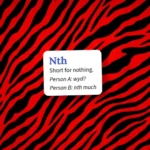
NM has two dominant meanings in texting, and they could hardly be more different. The first is "not much," the classic low-effort answer to "what's up?" or "what are you doing?" When someone asks what is going on and the answer is gloriously nothing, "nm" delivers that information in two keystrokes.
The second meaning is "never mind," used to cancel or retract something you just said. You ask a question, then find the answer yourself, so you follow up with "nm, found it." You start to tell a story, then decide it is not worth it: "nm, it is not important." Same two letters, completely different job.
Neither meaning is a typo, and neither is new. Both have been circulating in texting and instant messaging since the early 2000s, when character limits and slow phone keyboards made every abbreviation precious. They survived because they are genuinely useful — each one fills a conversational need that comes up constantly.
NM as "Not Much": The Classic Reply
"Not much" is the meaning most people encounter first. It is the default response to the universal opener "what's up?" — a question that is really a greeting rather than a genuine inquiry. "Nm, you?" is the texting equivalent of a nod: I am here, nothing exciting is happening, the conversational ball is back in your court.
This usage is deeply casual and usually warm-neutral. "Nm, just chilling" paints a picture of a relaxed person with time to chat. "Nm, just got home from work" opens the door to more conversation. The abbreviation itself is not rude; it is simply economical, the way "hey" is more economical than "hello, how are you doing today?"
It does, however, put the conversational work on the other person. Answering "what's up?" with "nm" and nothing else is a soft signal that you are not feeling chatty. That is fine among close friends who understand the rhythm, but with someone you are trying to get to know, adding a little more — "nm, just watching a show, you?" — keeps the connection alive.
NM as "Never Mind": The Conversation Eraser
The "never mind" meaning works like a conversational undo button. Its most common appearance is the self-answered question: "what time does the movie start? … nm, just checked, it is 7." The sender realized the question was unnecessary and used "nm" to close the loop before the other person went to the trouble of answering.
It also functions as a graceful retreat. You start typing something, then reconsider: "actually nm, forget I said anything." Or someone asks what you meant and you decide explaining is not worth the effort: "nm, it is not a big deal." In these cases, NM is doing emotional work — defusing, de-escalating, letting things drop.
Tone matters enormously here. A breezy "nm, figured it out!" feels light and self-sufficient. A flat "nm." after a disagreement can feel like a door slamming — the person is dropping the subject, but possibly also dropping the conversation. If you are on the receiving end of a terse "never mind," it is worth considering whether the person is frustrated before you press them to continue.
How to Tell Which Meaning Is Intended
The good news is that context makes the distinction almost automatic. If NM appears as a direct answer to "what's up?", "what are you doing?", or "how is it going?", it means "not much" roughly one hundred percent of the time. The question-answer structure does all the decoding for you.
If NM follows the sender's own previous message — especially a question they asked — it means "never mind." The pattern is unmistakable: question, pause, "nm." The sender is talking to themselves, narrating their own change of mind in real time, and you are just along for the ride.
When NM appears out of nowhere with no clear trigger, consider the relationship and the recent mood of the conversation. After a disagreement or an awkward moment, lean toward "never mind" with a side of frustration. In a light, ongoing chat, lean toward "not much." And when you truly cannot tell, there is no shame in asking: "nm as in not much, or never mind?" Clarity beats guessing.
The Secret Social Signals of "nm"
Here is what the guides do not always tell you: "nm" is one of texting's great mood indicators, and experienced texters read volumes into it. A bare "nm" with a period — "nm." — can feel curt, the textual equivalent of a shrug with eye contact avoided. The period adds finality that the abbreviation alone does not carry.
Response time amplifies the signal. A fast "nm, just chilling, wbu?" is an invitation to keep talking. A "nm" that arrives forty minutes after "what's up?" is the opposite — it says the person saw your message, has nothing to add, and is not prioritizing the chat. Neither is necessarily hostile, but they paint very different pictures of the person's interest level.
Parents and partners often flag "nm" as a conversation killer, and they are not wrong. It is the abbreviation most likely to make someone feel shut out, precisely because it is so minimal. If you care about the person you are texting, the kindest version of "not much" includes a follow-up question or a detail. Two extra seconds of typing can be the difference between "we are chatting" and "we are drifting."
NM in Different Contexts
In emails, NM occasionally appears in subject lines meaning "no message" — the entire content is in the subject, and the body is intentionally empty. "Lunch moved to 1pm — NM" tells the recipient there is nothing more to read. This is a niche professional usage, unrelated to the texting meanings, but worth knowing so an odd subject line does not confuse you.
On Twitter and in DMs, "never mind" is the dominant meaning. The fast-paced, public nature of the platform makes retractions common: someone asks a question, the replies answer it, and the asker follows up with "nm" to close the thread. It is efficient crowd communication.
In gaming chats, both meanings appear. "nm" answers "what is everyone doing?" between matches, while "never mind" cancels a callout or a question about strategy. Gamers also use it as a quick tilt-defuser — "nm, let's just play" — steering the team away from an argument and back to the game.
How to Reply to NM
When someone answers your "what's up?" with "nm," the ball is in your court. If you want to keep talking, bring something to the table: "nm? I am bored too, want to hear something funny?" or "fair, same here — did you see the game last night?" Giving them something specific to react to rescues the conversation from dying of vagueness.
If their "nm" feels like a brush-off, do not chase. A simple "cool, lmk if you want to chat later" respects their space without groveling. Pushing someone who has signaled disinterest rarely produces a good conversation; it usually produces a slower, more awkward version of the same disinterest.
When someone sends "never mind" NM, the right move is usually to let it go. "No worries!" or "all good" acknowledges the retraction without prying. If it felt tense, you can add warmth: "we are good, no stress." Pressing someone to explain what they just un-said almost never ends well — they retracted it for a reason, and respecting that reason builds trust.
Common Mistakes With NM
The most frequent mistake is using "nm" as "never mind" when you actually need the more standard "nvm." Both abbreviations exist, and while "nm" is widely understood as "never mind," "nvm" is the more common and less ambiguous choice for that meaning. If clarity matters, "nvm" causes fewer double-takes.
Another mistake is deploying bare "nm" in situations that call for warmth. Texting your mom "nm" when she asks what you are doing for the holidays reads as dismissive even if you did not mean it that way. With family, older relatives, or anyone you want to reassure, spell it out: "not much, just relaxing!" The full words carry a friendliness the abbreviation strips away.
Finally, avoid "nm" in professional communication entirely. It has no place in work emails, messages to clients, or academic correspondence. "Not much" is too casual for the office, and "never mind" deserves a complete sentence. When the stakes are professional, type the words out.
Alternatives for Every Situation
Instead of "not much," try "just chilling," "same old," "nothing exciting," "just winding down," or "not a lot, you?" Each adds a shade more personality while staying casual. If you want to signal openness to conversation, "not much, what's going on with you?" is the gold standard — it answers and invites in one move.
Instead of "never mind," options include "forget it," "don't worry about it," "figured it out," "all good," or the clearer "nvm." For warmer retractions, "actually never mind, I found it — thanks though!" acknowledges the other person's willingness to help even though you no longer need it.
In professional settings, replace both meanings with complete sentences: "Nothing urgent on my end" covers "not much," and "Please disregard my previous message — I have resolved the issue" covers "never mind." They take longer to type, but they leave zero room for misreading, which is exactly what professional communication requires.
Frequently Asked Questions
What does NM mean in text messages?
NM most commonly means "not much" — the standard casual reply to "what's up?" It can also mean "never mind," used to retract or cancel something you just said. Context almost always makes the intended meaning clear.
Is replying "nm" rude?
It can feel rude depending on delivery. A bare "nm" with no follow-up can read as dismissive or uninterested, especially with a period. Adding warmth — "nm, just chilling, you?" — keeps it friendly. Among close friends it is rarely an issue; with acquaintances, a little extra effort goes a long way.
What is the difference between NM and NVM?
Both can mean "never mind," but NVM is the more standard and widely recognized abbreviation for that meaning. NM is more commonly used for "not much." When you mean "never mind" and want to be unambiguous, NVM is the safer choice.
What does NM mean in an email subject line?
In email subject lines, NM can mean "no message," indicating that the entire message is contained in the subject and the body is intentionally blank. This is a separate professional convention, unrelated to the texting meanings of "not much" or "never mind."
How should I respond when someone texts "nm"?
If it means "not much" and you want to chat, bring up a specific topic to keep the conversation going. If it feels like a brush-off, give them space with a light "cool, talk later." If it means "never mind," a simple "no worries" is usually the perfect response.
Conclusion
NM is tiny but mighty: two letters that handle everything from lazy greetings to graceful retractions. "Not much" keeps casual conversation humming, "never mind" lets people change course without awkwardness, and both have earned their place in the texting hall of fame through sheer usefulness. The trick is simply reading the context, which, with a little practice, becomes second nature.
Use it freely with friends, but remember its hidden social weight — a little extra warmth turns "nm" from a conversation ender into a conversation starter. And when the situation calls for clarity or professionalism, spell things out. The best texters are not the ones who abbreviate the most; they are the ones who know exactly when to.
Explore more on Celeb Snips.